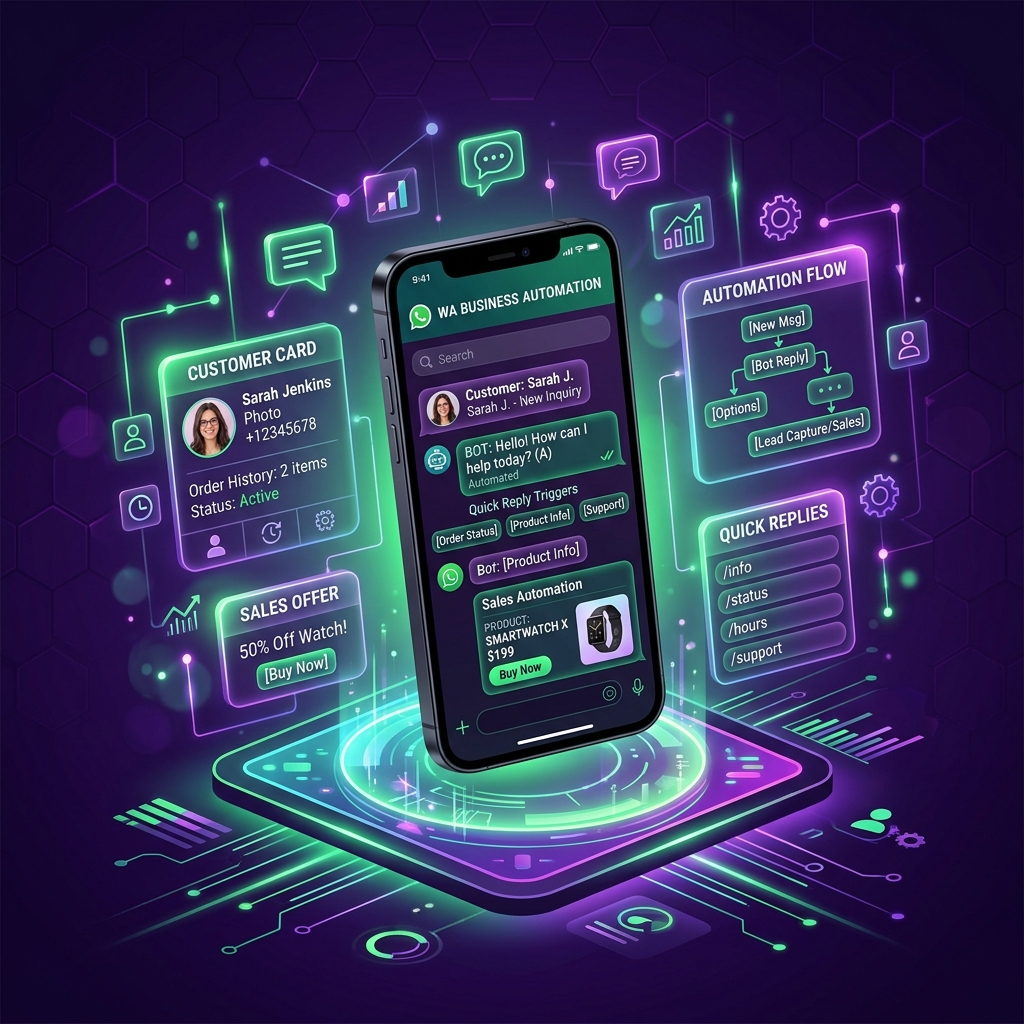
Many small businesses in India do not have a lead problem first. They have a response problem. Leads arrive from WhatsApp, referrals, QR scans, trade counters, social media, and field sales conversations, but the team still follows up from memory, personal phones, and scattered notes.
That is why the right WhatsApp CRM is not just a broadcast tool. It should help the business capture the lead, assign the next action, keep follow-up moving, and only then scale into campaigns or official API workflows when demand is real.
Start by checking how the lead enters your system
A buyer should ask a simple question first: when a new lead appears, where does it go? If the answer is still a spreadsheet, personal WhatsApp chat, or a notebook, the business will struggle even if the CRM advertises strong automation.
That is why small teams should look for a setup where digital business card sharing, QR scans, contact forms, and manual entry all flow toward the same pipeline.
- Can one shared link or QR bring leads into CRM directly?
- Can the owner and team see the same follow-up status?
- Can the business start free before committing to the bigger stack?
Make sure the CRM supports fast daily follow-up, not just campaigns
The best early win in a WhatsApp CRM is not blast messaging. It is faster first response, fewer missed callbacks, and cleaner tracking of what happens after an enquiry. That is where smaller teams usually feel ROI first.
Pages like KelBrix WhatsApp CRM matter because they show whether the system is built around lead ownership, reminders, and follow-up discipline instead of just contact storage.
Check the upgrade path before you need it
A good WhatsApp CRM should let you start lean and then grow into shared seats, official WhatsApp Business API workflows, automation, and campaigns without rebuilding the whole setup.
If the pricing story becomes complicated too early, or if every extra step needs a new add-on, the team usually delays adoption until the response problem is already hurting revenue.
- Free capture and basic CRM first
- Official WhatsApp API path when conversation volume grows
- Clear bundled pricing instead of multiple surprise subscriptions
Compare the total workflow, not only the WhatsApp feature list
This is why comparison pages can be more useful than feature pages alone. A buyer researching CRM options in India should compare what happens before WhatsApp, inside WhatsApp, and after WhatsApp.
If you are considering a legacy CRM, review pages like KelBrix vs Zoho or KelBrix vs HubSpot to see whether you are buying a seat-heavy CRM first or a lead-to-follow-up stack that starts lighter.
What a better buying decision looks like
The right decision usually looks simple: start with a free capture flow, manage the first leads clearly, then upgrade only when team usage, campaigns, or official API workflows genuinely justify the next spend.
That path is also why a buyer should review pricing and the public comparison pages together. It shows whether the product is designed to grow with a small team or sell complexity before the team is ready.
Frequently Asked Questions
What is the biggest mistake small businesses make when choosing a WhatsApp CRM?
They buy for messaging volume before they fix lead capture and response workflow. A good WhatsApp CRM should make the first follow-up faster, not just send more messages.
Do I need the official WhatsApp Business API from day one?
Not always. Many teams should start with basic follow-up and upgrade into the official API only when lead volume, team workflows, or automation make that investment worthwhile.
Why does digital card capture matter in a WhatsApp CRM decision?
Because the follow-up system is only as good as the way leads enter it. A shared digital card, QR, or NFC tap can become the first touchpoint that feeds WhatsApp CRM automatically.
Share this article